
Protect the whole performance. Stay ready for the focus to change.
A dependable wide perspective preserves continuity while additional views give the finished recording room to follow meaningful sections, performers, and details.
Concert and ensemble recording · Wisconsin
ON21 plans multicamera concert recording around the full stage, featured sections, soloists, conductors, and the individual moments that give a live musical performance its character.
Professional, owner-led production for choirs, orchestras, bands, schools when publication permission permits, and community music organizations throughout east-central Wisconsin, with selective travel.
The concert-recording challenge
The complete stage matters, but so do the section carrying a passage, the featured soloist, the conductor shaping the performance, and the expressions that reveal the work behind the music.
A dependable wide perspective preserves continuity while additional views give the finished recording room to follow meaningful sections, performers, and details.
One unattended camera can show that the concert happened, but the ensemble may feel distant and important musical detail can be difficult to see. A useful concert recording needs to move between scale and focus without losing the structure of the performance.
Planning begins with the program, stage arrangement, featured performers, known transitions, and intended use. Without a dedicated camera rehearsal, no production plan can promise to identify every musical entrance, so protected views remain essential while operated perspectives respond to the performance as it unfolds.
Scale and performance detail
The coverage plan balances continuity with the visual details that help someone watching later understand the performance.
A protected wide view preserves the complete ensemble, stage arrangement, conductor, and continuity of the performance.
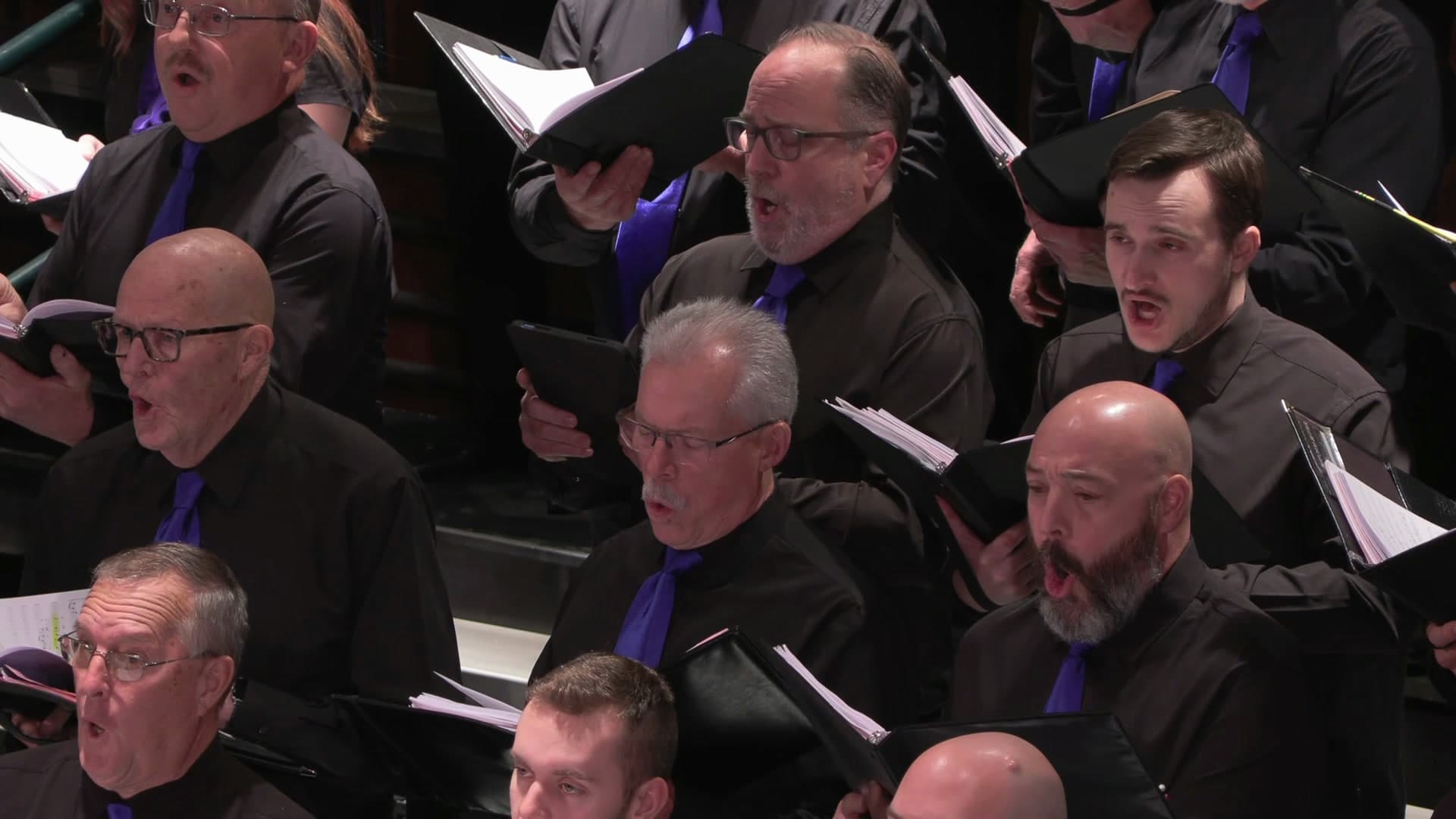
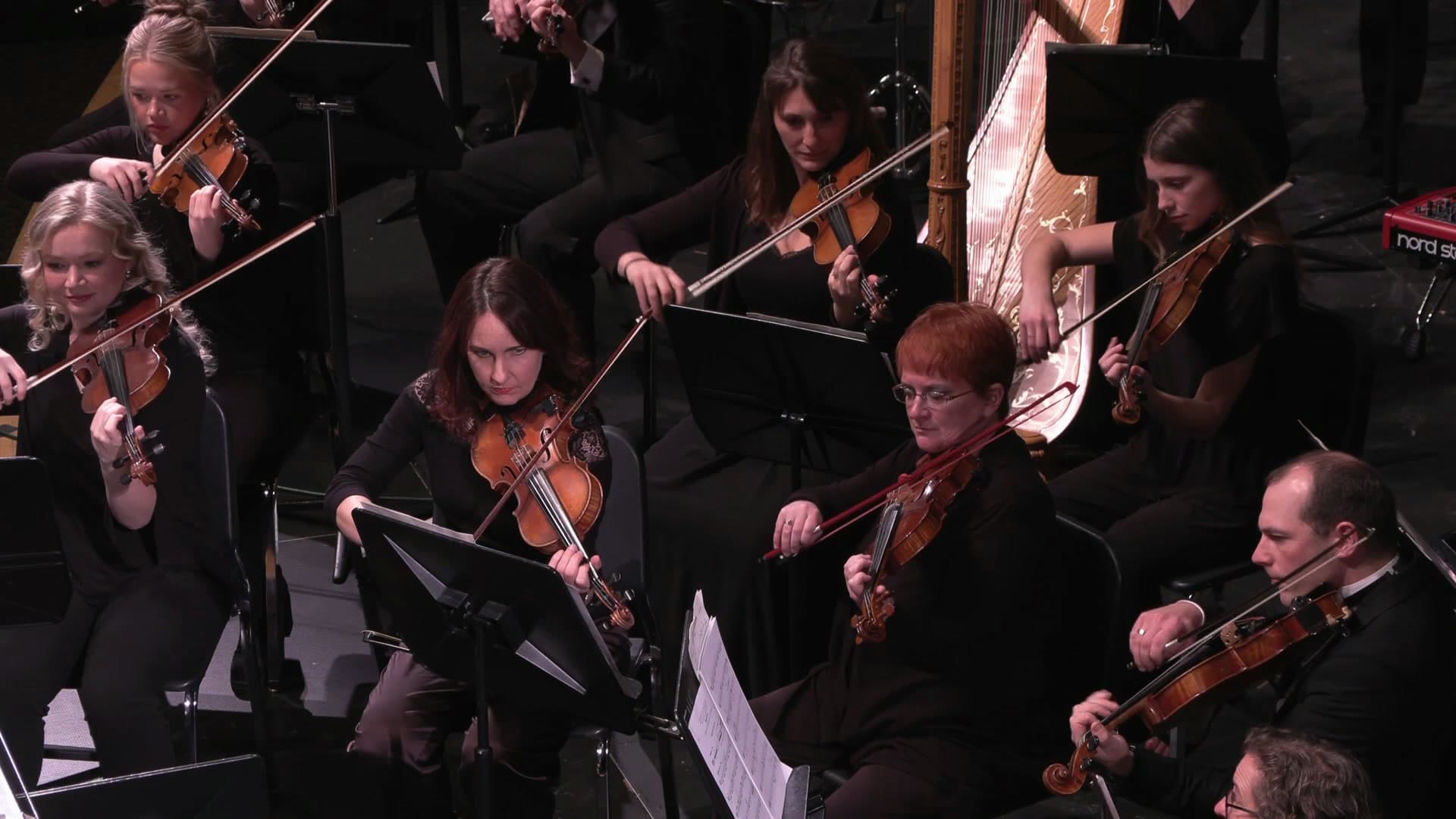
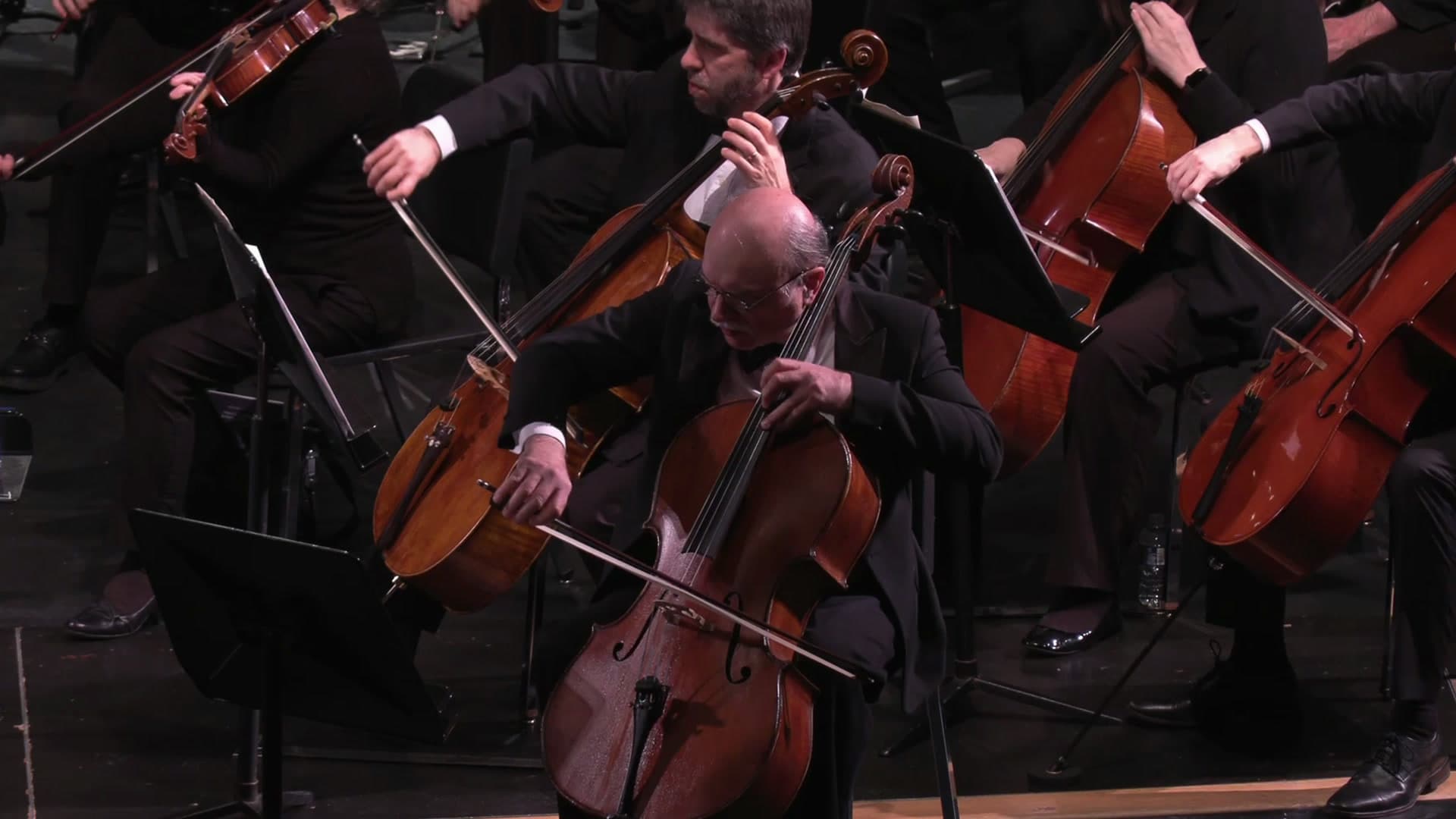
Additional perspectives can follow featured performers, instrumental sections, vocal groups, and other known points of focus.
The edit can move between the size of the complete performance and the expressions, interaction, and technique visible within it.
The completed program is prepared for the authorized sharing, review, or archival use defined with the organization.
Appropriate events
The final approach depends on the ensemble, program, venue, intended use, and publication permissions.
Audio and venue coordination
Concert audio depends on the room, ensemble, program, existing sound support, and how the finished recording will be used.
Audio is coordinated with the venue’s sound system whenever available, with the recording approach defined around the actual production conditions.
ON21 asks how the performance is being reinforced or mixed and who is responsible for the venue audio system.
Available audio feeds, access timing, technical contacts, and project responsibilities are addressed before the event.
The proposal identifies the production and audio coordination appropriate for the room, program, and intended delivery.
Owner-led production
The person learning the concert stays involved in the coverage plan, venue coordination, production, and finished recording.
Discuss the program, ensemble, stage arrangement, soloists, featured sections, venue, schedule, intended audience, and known permissions.
Define protected and operated perspectives, staffing, venue coordination, responsibilities, and the appropriate audio approach.
ON21 works calmly within the agreed plan while coordinating with the people responsible for the concert and venue.
Editing, authorized uses, deliverables, review needs, and the expected delivery schedule are defined in the proposal.
Pricing and scope
The starting point establishes a professional recording foundation. Final scope reflects the ensemble, venue, schedule, coverage, and delivery the performance requires.
Typical projects start at $900
The written proposal defines the production approach, responsibilities, deliverables, price, and expected delivery schedule before the performance.
Approved concert evidence
The existing case study documents how ON21 combined dependable full-stage coverage with additional perspectives across a large chorale and orchestra performance.
South Shore Chorale was excited to have completed recordings it could share with participating singers and preserve as part of the organization’s archive.
Read the South Shore Chorale case study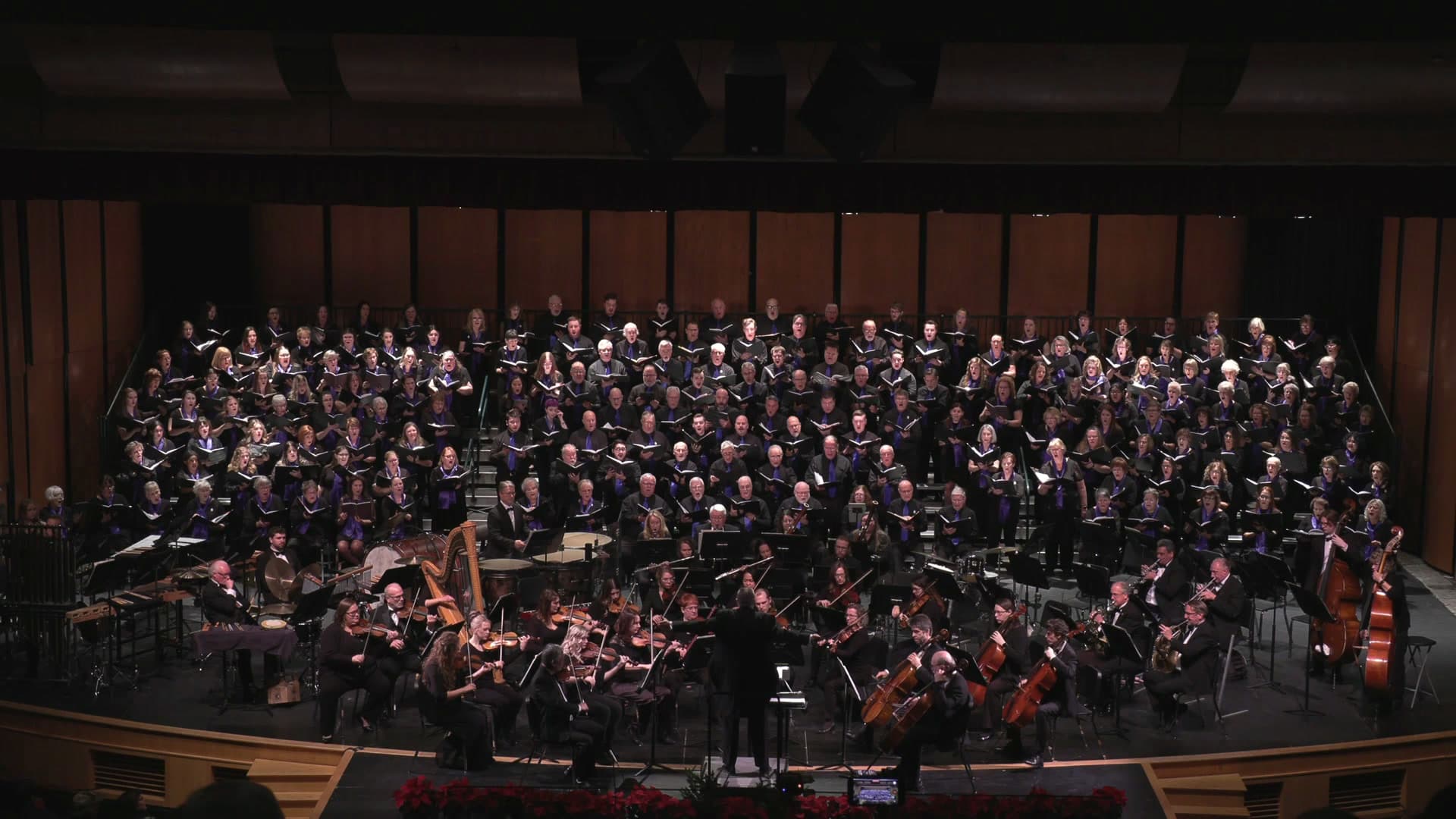
Music recording and distribution rights
Permission to perform music does not necessarily include permission to record, publish, distribute, or otherwise share the performance. Requirements can depend on the program and intended use.
The client is generally responsible for securing the necessary recording, music, performer, and distribution permissions unless the written proposal assigns responsibility differently. ON21 will ask about the intended use and known permissions during planning.
ON21 may decline to record, publish, or distribute a concert when appropriate authorization has not been secured.
This guidance supports responsible production planning and is not legal advice. Questions about a specific program should be directed to the organization or rights holder responsible for its authorization.
Concert recording FAQ
The ensemble, program, venue, permissions, and intended use all help determine the appropriate recording plan.
There is no fixed number for every performance. The proposal reflects the stage arrangement, ensemble, featured moments, venue, staffing, and intended use while preserving a dependable view of the complete performance.
Not every project includes a dedicated camera rehearsal. Programs, stage diagrams, production notes, and conversations about featured moments can improve preparation, but ON21 does not promise to identify every musical entrance without rehearsal.
Audio is coordinated with the venue’s sound system whenever available. The approach depends on the room, ensemble, program, existing sound support, and intended use.
Potentially, when the school has the required recording, performer, music, and publication permissions and the project is otherwise a good fit. School-performance media is not published without documented permission.
The client is generally responsible for securing the necessary permissions unless the written proposal assigns responsibility differently. ON21 may decline work when appropriate authorization is not in place.
There is no universal deadline. The proposal defines the expected schedule based on the performance dates, editing, review needs, and agreed deliverables.
Start with the concert
Share the date, venue, ensemble, program, intended use, and known permissions. ON21 will help determine the right next step.